FIXED WING UAV TRAINING MODULE
EXPERIMENT 3
Takeoff and Landing

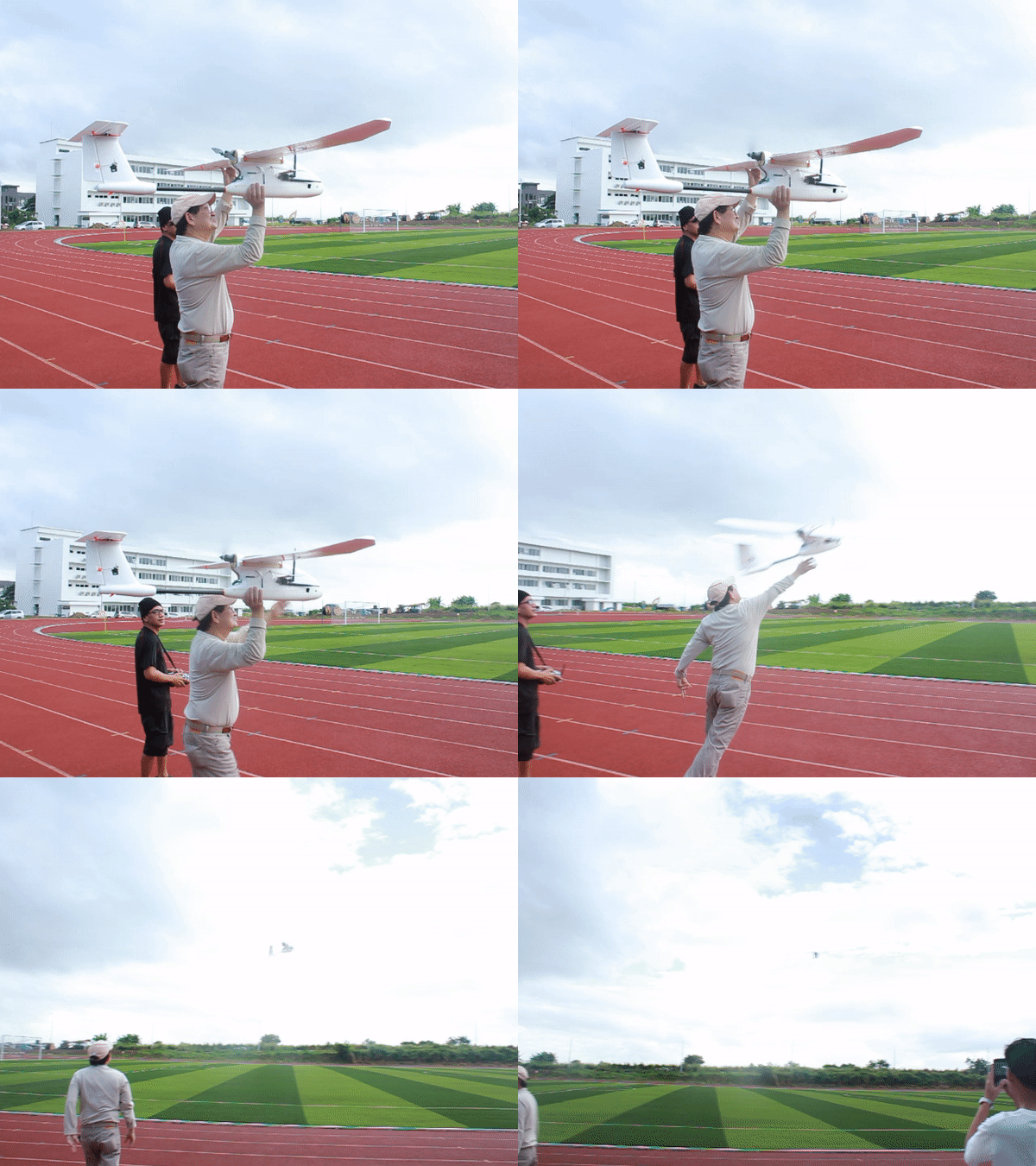
Takeoff
The model of the fixed-wing in this training module is the Skywalker. With this model, there are no landing gears that will allow for a conventional runway takeoff. Hence, the takeoff for this fixed-wing drone is known as the hand throw launch or hand throw takeoff. Hand throw launch is simple however it is perfectly normal to feel uneasy in the first few times. It may require two persons or one trained operator to launch the UAV. As for the takeoff, make sure that the UAV is launched in to the wind or upwind to maximize the lift under the wings, as well as the airflow over the whole UAV. Hold the UAV around head-height and your thumb from the other hand to the throttle. Make sure to level the UAV before throwing and do not point the UAV upwards much. Apply small motor power, take a step forward at the same time giving the UAV a firm push off your hand while simultaneously increasing the throttle around three-fourths or maximum power. It is important to note that the launch should achieve above stalling speed to avoid stalling and crashing. Immediately after the throw, bring back that hand to the transmitters as soon as possible and control the UAV.
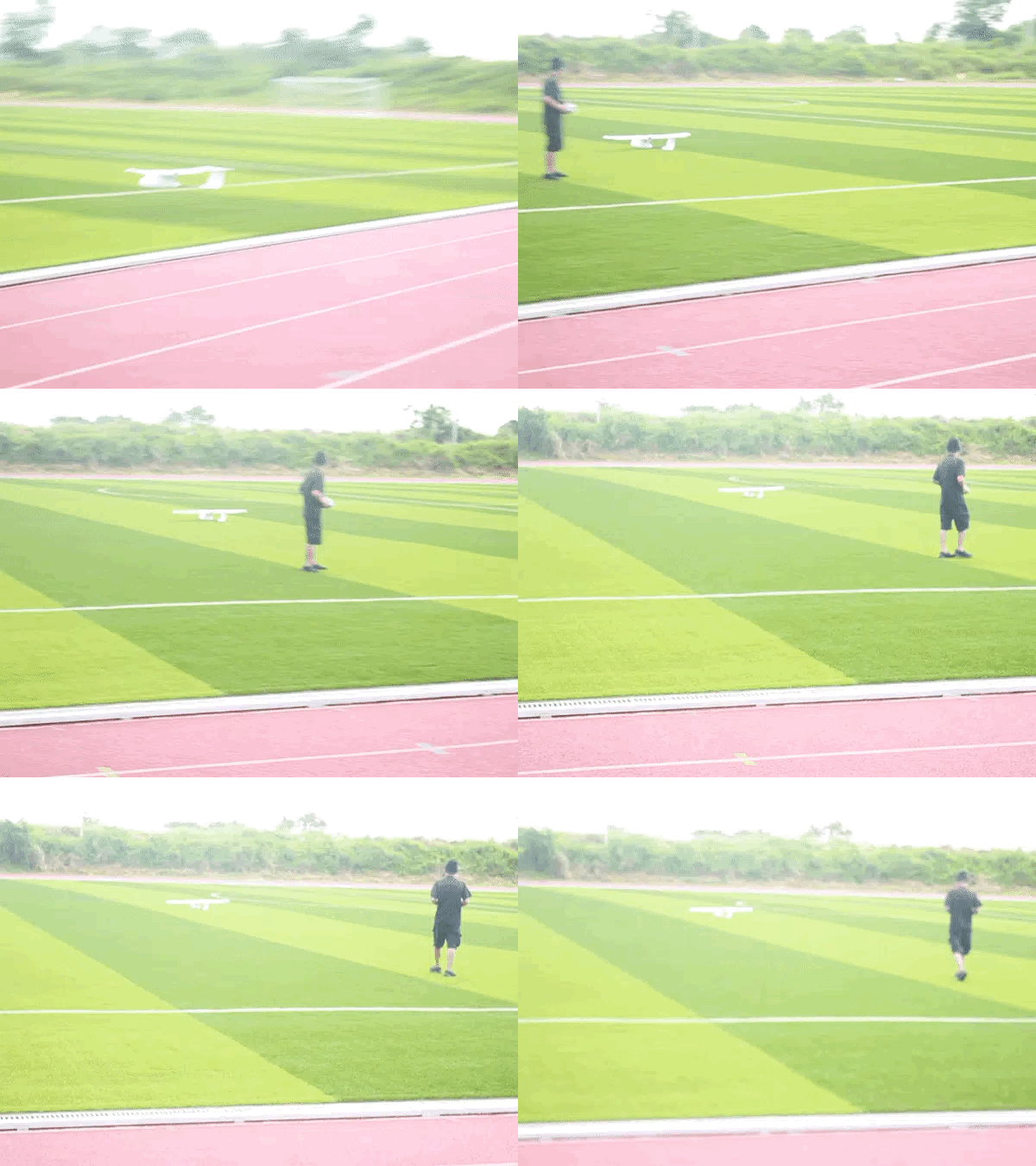
Landing
Taking-off is relatively an easy part of flying while landing is without double the hardest and most nerve-racking part. To achieve a smooth landing, one must learn few other things. Again, in this module, the model Skywalker does not have landing gears therefore belly landing or pancake landing is required. Belly landing is when the UAV uses its underside as the primary landing device. One of the important parts of landing is the approach, and setting a good approach will most likely result to a smooth landing. Most operators prefer starting their approach by flying the UAV downwind or same direction as the wind. Then, a gradual and smooth 180 degree turn is made to turn back in to the wind for the final approach and landing. Flying in to the wind gives more time to level the wings and start the descend. Slowly reduce motor but be ready to increase it again quickly if the UAV drops down too much or too soon. As you reach the final approach, use the rudder to maintain the UAV straight and the wings leveled through the ailerons. As the UAV nears the landing area, reduce the motor power completely and gently apply up elevator to slow the UAV's speed and reduce the rate of descend. This final stage is known as the flare. Flare is one of the most important stages to achieve a smooth landing. Practice and flare at the right moment to get better and better landings.