top of page

FIXED WING UAV TRAINING MODULE
EXPERIMENT 1
Parts of the UAV
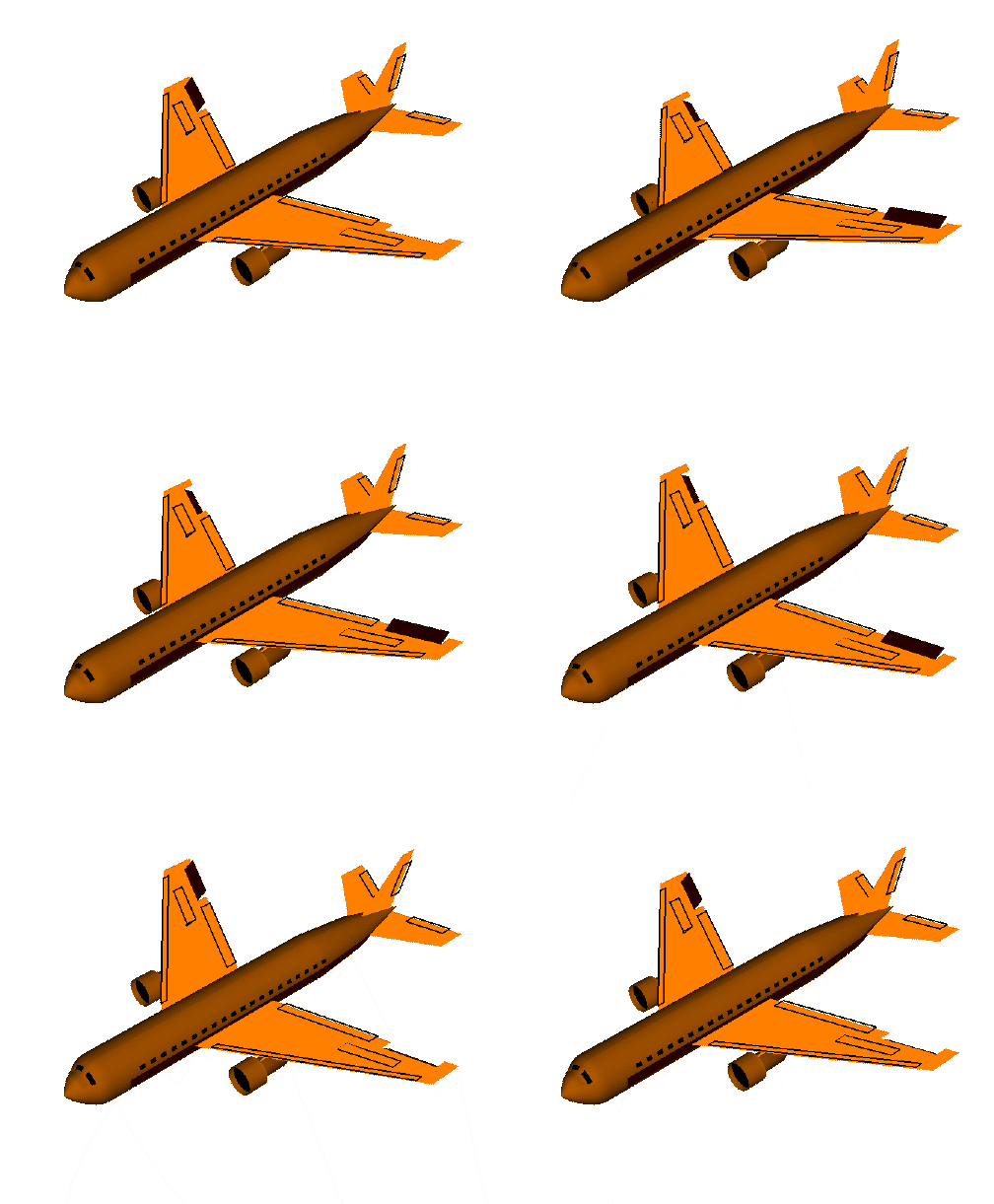
Aileron
Ailerons are used to generate rolling motion which is caused by the deflection of the ailerons on a UAV. They work on opposition which means that if the right aileron is deflected downward, the left aileron is deflected upwards. The ailerons are used to bank the UAV causing one wing to move up and the other to move down. Take note that the wings are not the ailerons but it is the small hinged section on the out board portion of the wing.
Reference: www.grc.nasa.gov

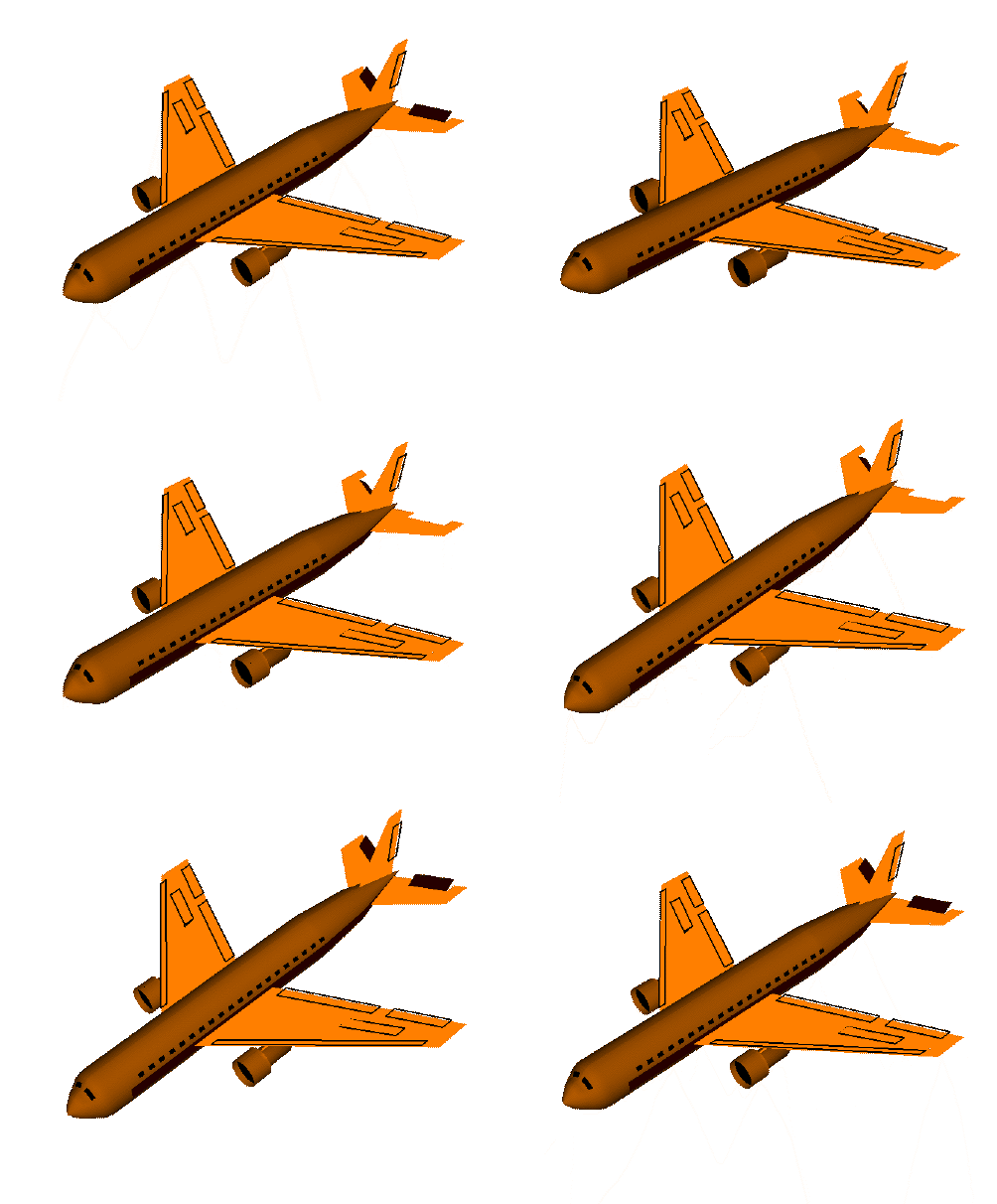
Elevator
The elevator is used to control the position of the nose of the UAV and the angle of attack of the wing. Elevators works in pairs; when the right elevator goes up, the left goes up as well. The elevator, also called a horizontal stabilizer is found at the rear end of the fuselage. It provides stability for the UAV and keeps it flying straight. It prevents the up and down movement of the plane which is also called pitching. Pitch is the up and down movement of the UAV and is caused by the deflection of the elevator of the UAV.
Reference: www.grc.nasa.gov

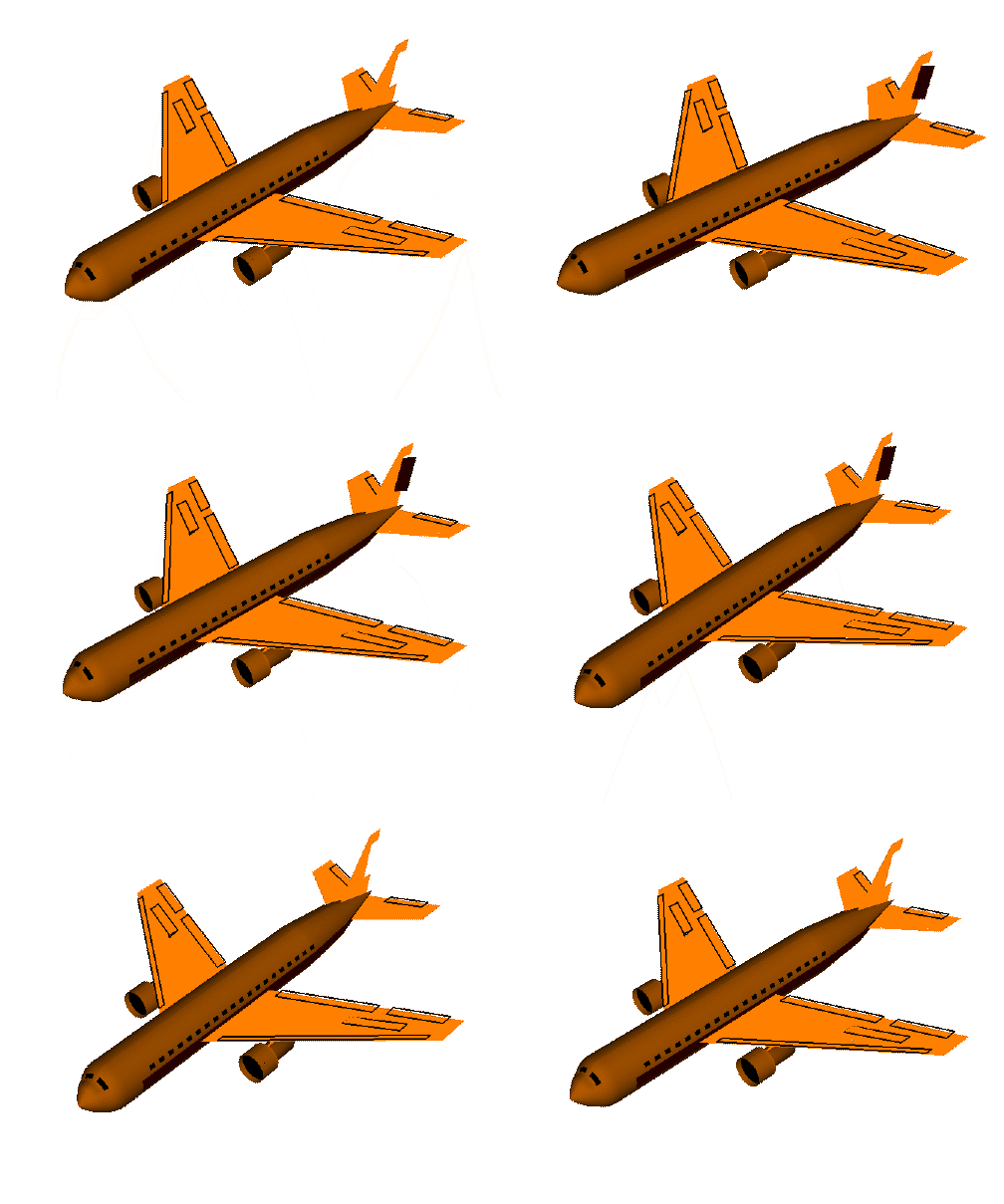
Rudder
The rudder which is also called a vertical stabilizer which is found on the rear of the fuselage prevents side-to-side movement of the UAV, or yawing. Yaw is caused by the deflection of the rudder in an UAV. Like the elevators, it is used to control the position of the nose of the UAV however, it is not used for turning the UAV in flight. This is done by the ailerons which banks the UAV causing it to turn. The job of the rudder is to ensure that the UAV is properly aligned to the curved flight path during the maneuver.
Reference: www.grc.nasa.gov

Fuselage
The fuselage plays an important role in housing all or most of the electrical components of the fixed wing UAV like the Pixhawk, the battery, and the motor. The wings on this UAV is also attached on the fuselage.

bottom of page